The systems library · Open access
Operating manuals for people who need software to work in production.
No beginner glossaries and no “100 prompts” filler. Each one makes a single argument and works it through: the mechanism, the trade-off, the failure mode, and the measurement that tells you whether it held.
- Free to read online
- No signup, no paywall
- Every chapter cites its sources
- Written for production systems
Showing 11 of 11 books
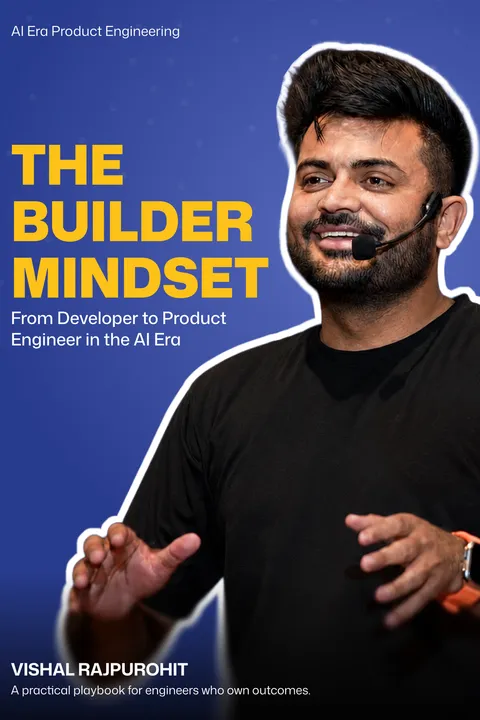
Free · 31 chapters
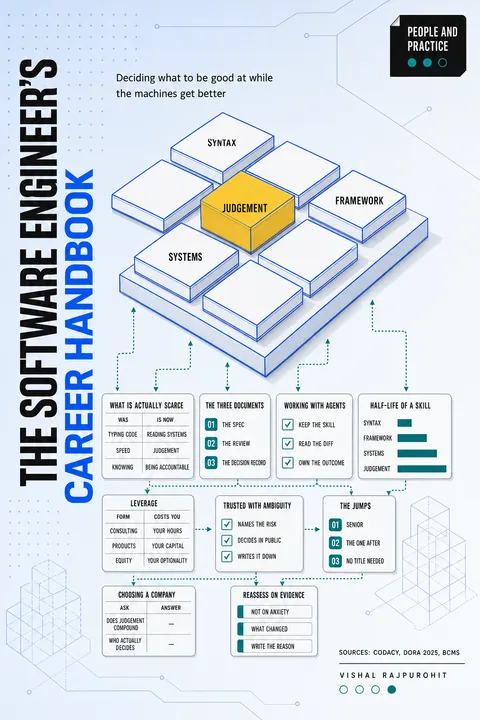
Free · 13 chapters
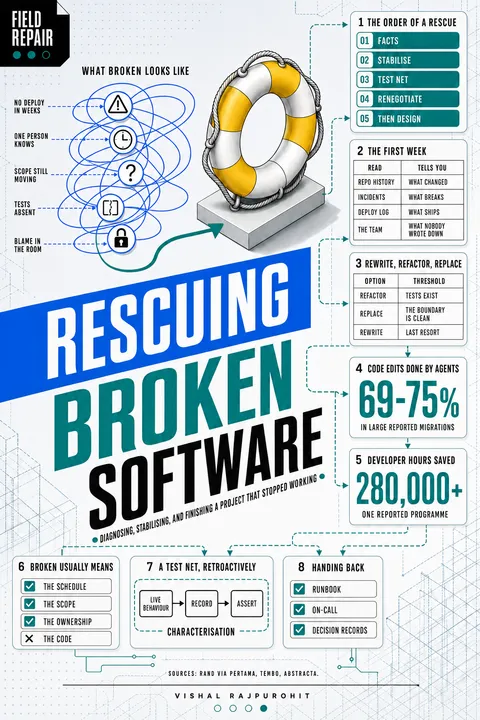
Free · 12 chapters
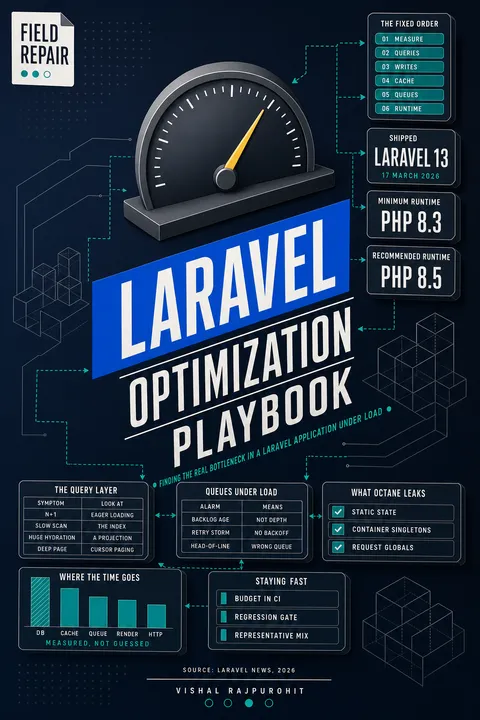
Free · 13 chapters
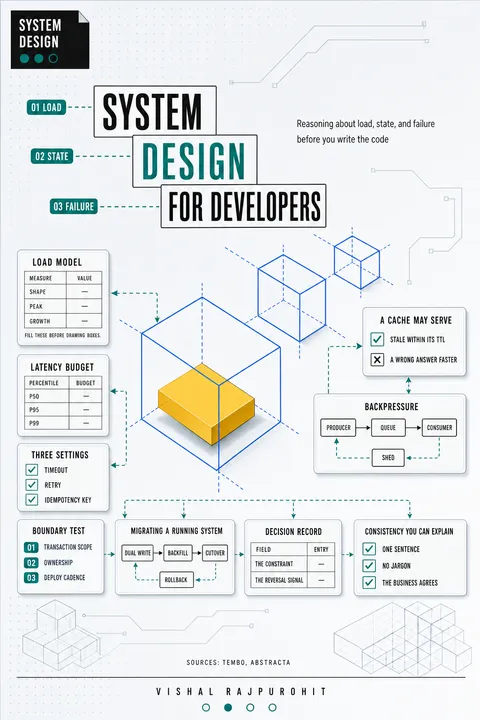
Free · 13 chapters
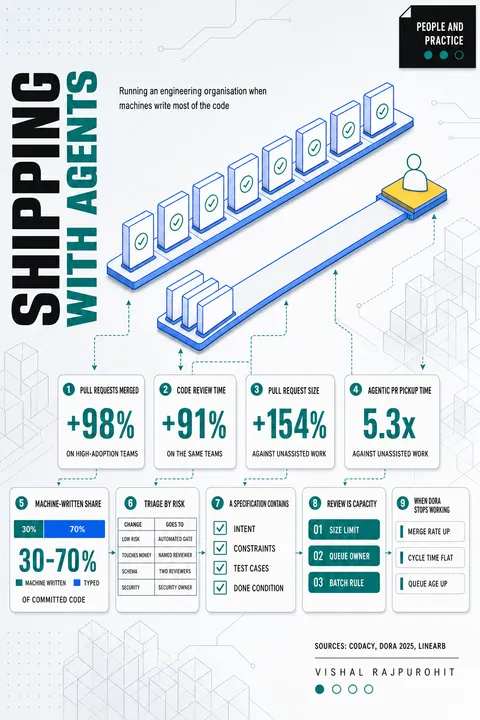
Free · 14 chapters
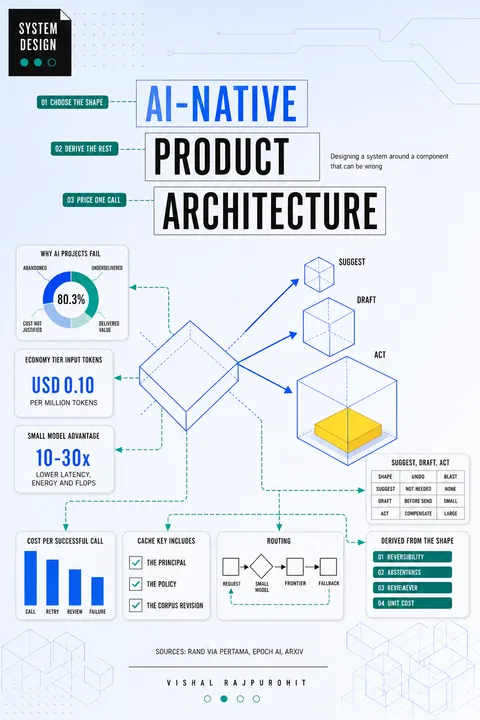
Free · 12 chapters
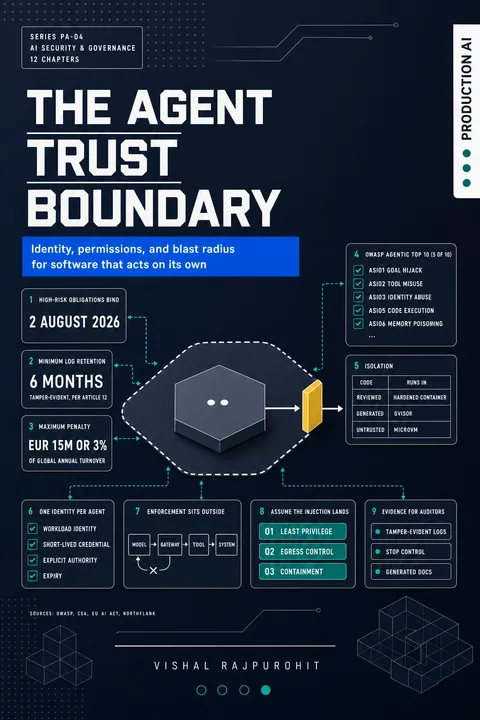
Free · 12 chapters
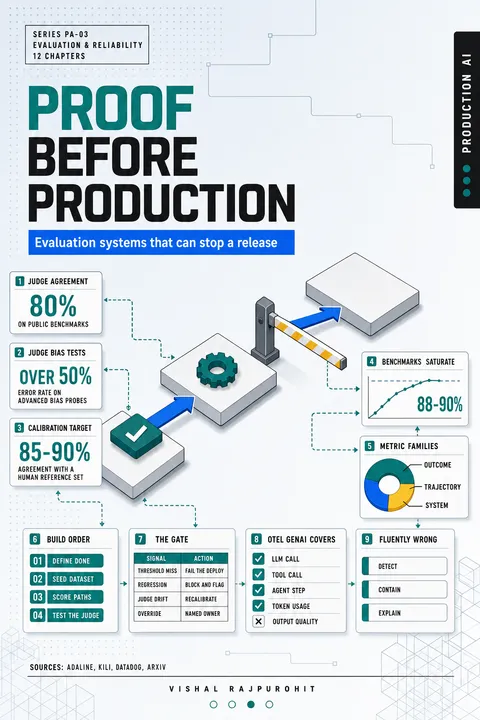
Free · 12 chapters
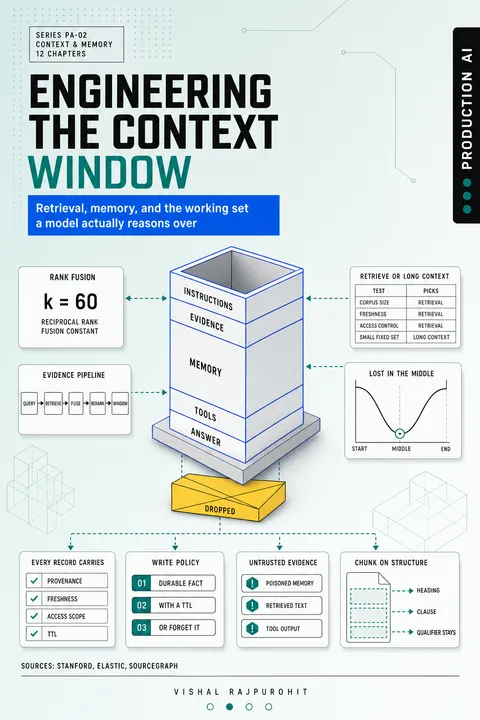
Free · 12 chapters
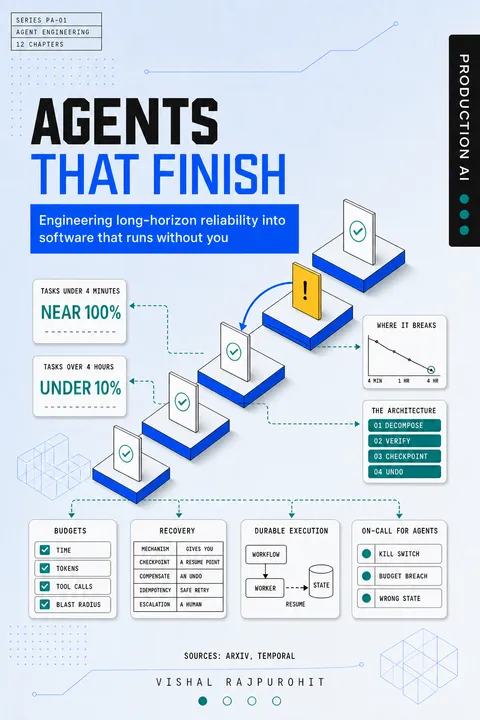
Free · 12 chapters
No book in that subject area yet.
How to use the library
Read for the decision in front of you.
- 01
Map the system
Start with the chapter that matches the constraint in front of you: agent reliability, context assembly, evaluation, trust boundary, load, or a delivery that has stalled.
- 02
Expose the mechanism
Use each section to identify assumptions and couplings, not to collect isolated techniques.
- 03
Instrument the decision
Adopt the metrics and replay boundaries before applying the optimization to production traffic.
- 04
Preserve rollback
Every meaningful systems change should ship behind a versioned decision and a defined reversal trigger.
In the age of AI
The advantage was never the model. It's knowing what to build with it — and having a team that can actually ship it.
That's the part I help with: finding where AI genuinely makes your business faster, deciding what's worth building, and standing behind it once it's live.
Four offices, one very full passport
Every dot on this map is a conversation I still remember.

- Where I've spoken
- Office